Why Every Actor Needs Professional Reel Content
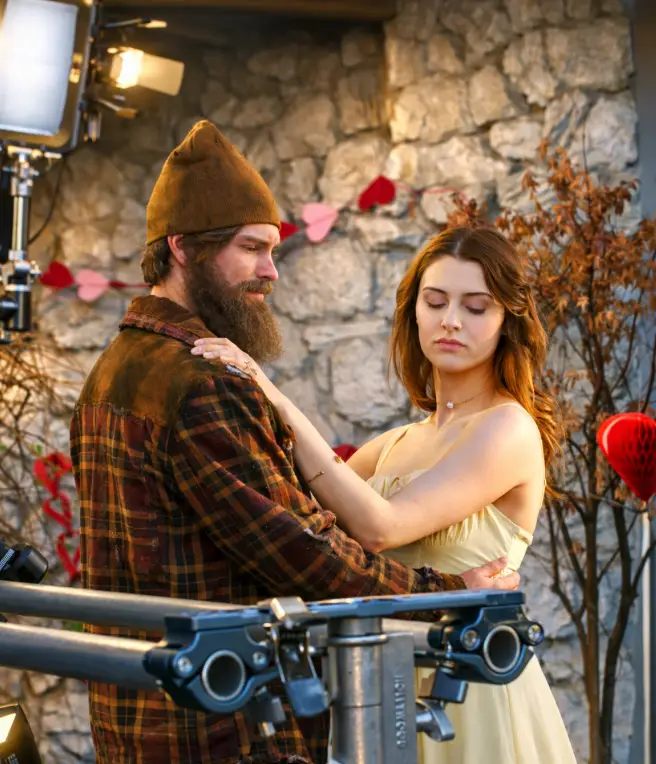
For many actors, the only footage casting directors see is a self-tape audition. While self tapes are essential in modern casting, they often provide only a limited view of an actor’s abilities. Professional reel scenes allow casting directors to see how an actor performs within a fully realized cinematic environment rather than only in an audition format. Casting directors often evaluate hundreds of actors for a single role. A strong reel helps them quickly understand an actor’s screen presence, emotional range, and ability to carry a scene. Self tapes demonstrate how an actor interprets a specific audition. Reel scenes demonstrate how an actor performs inside a professional storytelling environment that includes cinematic lighting, realistic sets, and strong scene partners. The rise of vertical storytelling and vertical series production has created new opportunities for actors to build reel content aligned with mobile-first entertainment platforms. Actors frequently produce dramatic scenes, character moments, and vertical series-style performances that showcase how they appear in real productions. Studios such as 5W1H Studios allow actors to create professional reel scenes while also accessing self-tape rooms, casting director coaching, and vertical storytelling production spaces. A strong actor portfolio typically includes headshots, professional reel scenes, audition tapes, and performance clips that demonstrate range and screen presence. Actors who invest in high-quality reel content present themselves to casting directors at the level of professional productions rather than only through auditions. Check out our Actor Membership page.
What Is Vertical Storytelling? Why Actors Should Pay Attention
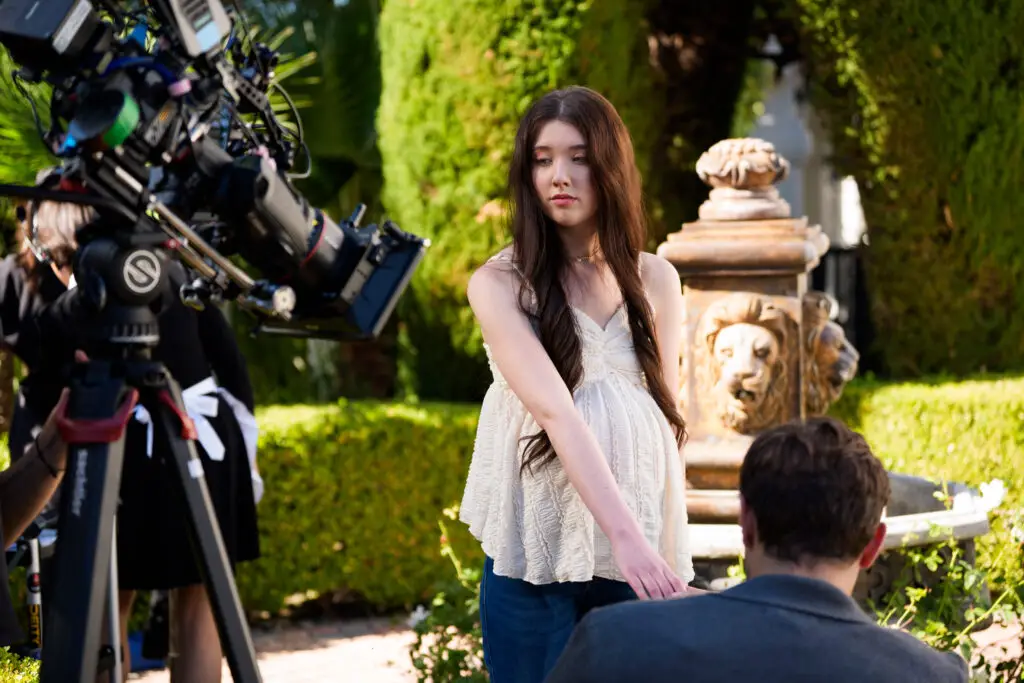
The entertainment industry is evolving quickly, and one of the fastest growing formats is vertical storytelling. Designed specifically for smartphone viewing, vertical storytelling flips the traditional cinematic frame into portrait orientation and delivers fast-paced narrative content optimized for mobile audiences. What began as experimental social media content has evolved into a new category of filmed entertainment known as vertical series or micro-dramas. For actors, this format is creating a growing number of opportunities and a new way to showcase on-camera performance. Vertical storytelling refers to narrative video filmed in a vertical (portrait) format designed for smartphone screens. Unlike traditional television or film, vertical storytelling emphasizes close framing, emotional immediacy, fast pacing, and short episodic storytelling designed for modern audiences. Episodes in vertical series often run between sixty seconds and three minutes, encouraging audiences to watch multiple episodes quickly while maintaining strong engagement. Acting in vertical storytelling requires many of the same skills used in film and television, but the format often demands more intimate performances because of tighter framing and shorter scenes. Actors who want to stand out increasingly build professional reel scenes that demonstrate character depth, emotional range, and cinematic screen presence beyond the audition environment. Studios such as 5W1H Studios in Los Angeles provide actors access to professional self-tape studios, casting director coaching, cinematic sets, and reel scene production designed for modern vertical storytelling and digital series development. As mobile-first entertainment continues to grow globally, vertical storytelling is becoming an important category of content production and a valuable opportunity for actors to build professional on-camera material.