Projects Ready to be licensed
This page showcases our slate of vertical storytelling projects, including titles ready for licensing, projects in pre-production, and concepts available for platform partnership. These projects are designed for efficient production and rapid deployment across global vertical drama platforms.
Ready for Licensing
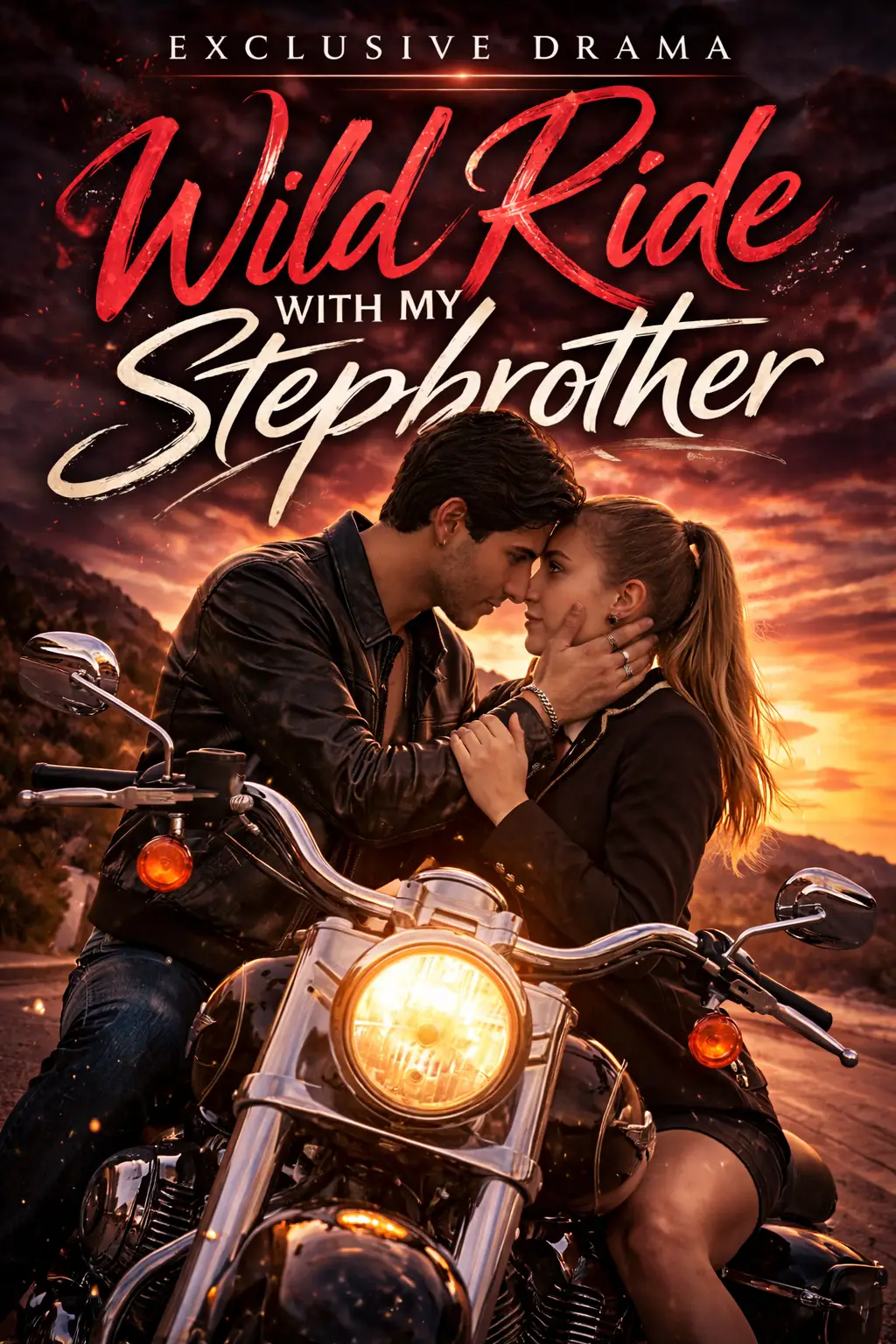
Wild Ride with My Stepbrother
Director: blake studwell
First Launch:
Second Launch:
Logline:
When a strict pastor’s daughter secretly enters a motocross race to defend her brother’s honor, she beats the school’s notorious bad-boy billionaire heir—sparking an explosive attraction that threatens her family, her reputation, and the rules she’s lived by her entire life.
WHY THIS, WHY NOW
Audience Alignment
This project sits firmly within the young adult space, a genre that has consistently demonstrated the ability to resonate well beyond its core demographic. YA stories work because they focus on universal emotional milestones, identity, rebellion, first love, humiliation, and the desire to define oneself outside the expectations of family and society.
Emma’s journey embodies those themes. Raised under suffocating religious rules, she has spent her entire life performing the role of the “good girl.” When she challenges that identity—first by humiliating the school’s most powerful boy in a motocross race, and then by stepping into a dangerous attraction with him, she begins a transformation that reflects the central tension of the YA genre: the moment when a young person decides who they are going to become.
What makes YA particularly powerful in the vertical format is its ability to pull in a broader audience beyond the age of the characters themselves. Stories about first rebellion, reputation, social hierarchy, and forbidden attraction carry emotional stakes that remain relatable long after adolescence. As a result, YA verticals often serve as an entry point that draws in both younger viewers discovering the genre and older viewers who connect to the emotional intensity of the story.
This series also delivers the core narrative drivers that perform strongly in the vertical ecosystem: public humiliation, social rivalry, revenge, forbidden romance, and the tension between safety and desire. Each of these elements escalates quickly and lends itself naturally to the short, cliffhanger-driven storytelling structure that keeps audiences engaged episode after episode.
Ultimately, this project leverages the strengths of YA storytelling: high emotional stakes, identity formation, and powerful romantic tension. In doing so, it creates a story that speaks directly to a young adult experience while naturally expanding its reach to the broader vertical audience that responds to those same emotional themes.
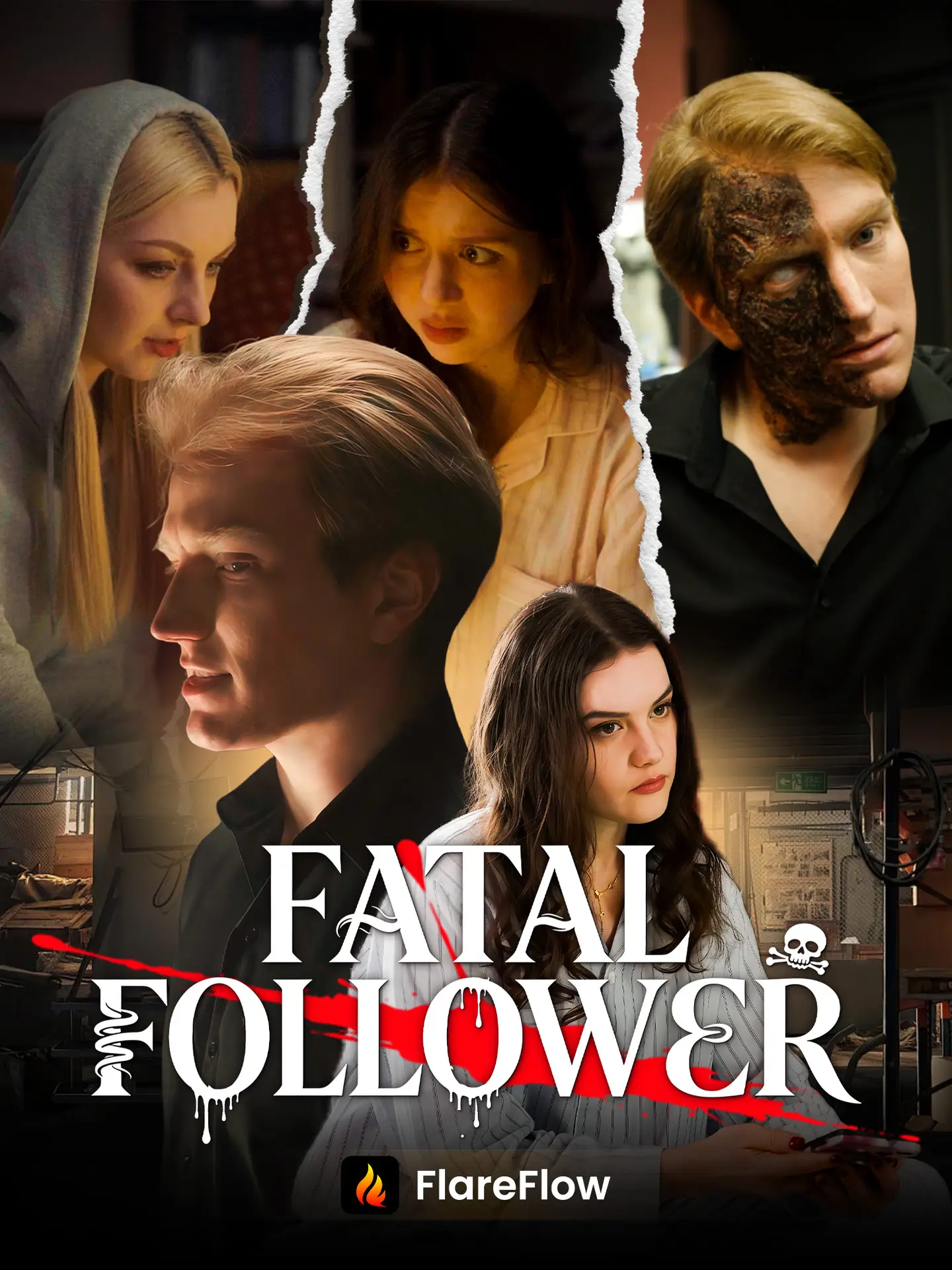
Fatal Follower
Director: blake studwell
First Launch:
Second Launch:
Logline:
After a hit-and-run they chose to ignore, four college girls unknowingly unleash a vengeful spirit through a Ouija board, one that seduces its way into their lives through a “perfect” online romance and begins to destroy them from the inside out.
WHY THIS, WHY NOW
Audience Alignment
We’re living in a moment where relationships are increasingly mediated through screens—dating apps, DMs, voice notes, AI-generated personas—where it’s easier than ever to fall for someone you’ve never truly seen. Fatal Follower weaponizes that reality. It taps directly into modern anxieties around digital intimacy, catfishing, and the unsettling truth that technology can manufacture connection faster than we can verify it.
At the same time, audiences—especially Gen Z and younger millennials—are drawn to elevated, high-concept thrillers that feel immediate and personal. This story merges supernatural horror with everyday behavior: texting late at night, obsessively checking notifications, chasing validation online. It turns something familiar into something dangerous, making the threat feel close, current, and unavoidable.
Critically, this concept aligns with one of the highest-converting paywall demos in vertical storytelling—young, mobile-first audiences with strong engagement in romance-thriller hybrids. These viewers are proven to binge quickly, respond to emotional hooks, and convert at a high rate when tension, mystery, and relationship stakes are tightly interwoven—exactly what this series delivers.
Layered beneath that is a deeper cultural shift: accountability. A generation grappling with past mistakes, public consequences, and unresolved guilt. The story’s engine—a buried wrongdoing that resurfaces through systems they trust—mirrors how today’s world operates. Nothing stays hidden. And when it comes back, it doesn’t just expose you—it consumes you.
This is a concept built for the vertical format era: fast, addictive, emotionally charged, and engineered around cliffhangers that drive retention and conversion. It’s not just timely—it’s optimized for how audiences watch and pay right now.
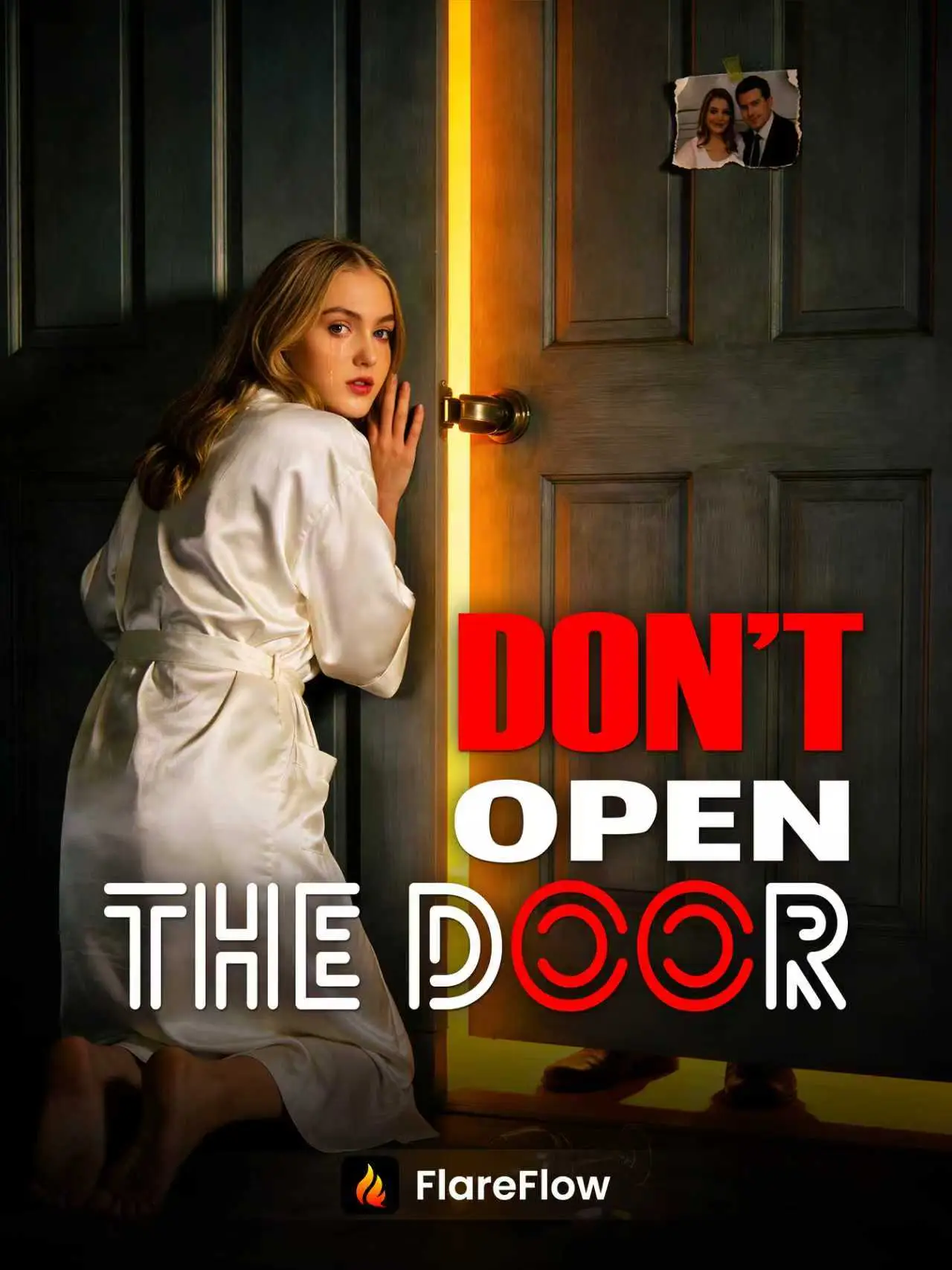
Don't Open The Door
Director: blake studwell
First Launch:
Second Launch:
Logline:
When a woman home alone during a hurricane is warned by a horrifying version of herself not to open the door, she must outmaneuver her manipulative boyfriend and his family—who are determined to force their way in and trap her in a life she may not survive.
WHY THIS, WHY NOW
Audience Alignment
This story taps directly into a rising cultural reality: the danger of coercive control hidden inside relationships that appear normal on the surface. As conversations around emotional abuse, manipulation, and autonomy gain visibility, Don’t Open the Door turns those fears into a high-stakes, contained thriller.
It also aligns with one of the highest-converting vertical drama demos—female-led suspense with relationship stakes and immediate physical danger. These audiences engage quickly, relate deeply, and convert strongly at paywalls when tension is grounded in real-world scenarios.
The concept is inherently built for today’s viewing behavior:
- Real-time tension
- Single-location pressure cooker
- Constant escalation
- Clear, repeatable cliffhangers
Finally, the supernatural element—the mirror warning—elevates the premise beyond a standard thriller, giving it a hook that stops scroll and sustains intrigue, while still grounding the stakes in something painfully real:
the wrong person at your door… and the one moment that decides everything.